What nanocellulose is
Nanocellulose is cellulose broken down to the nanoscale — cellulose nanofibrils (CNF), cellulose nanocrystals (CNC), or lignin-containing nanocellulose. At this size the fibrils have enormous surface area and pack into a dense, highly entangled network. That network is what creates the barrier: a tightly packed nanofibre film has a very tortuous path for gas molecules, giving high oxygen barrier, plus grease and (when formulated) water resistance.
Why it performs
- Dense nanofibre network → high oxygen barrier (tortuous path)
- Grease/oil resistance → a PFAS-free alternative for greaseproof
- Fully bio-based → recyclable and compostable potential
- Thin layer → coat ordinary paper, or cast a standalone film
Two formats: coating vs film
- Coating — a nanocellulose coating liquid applied to paper on existing lines, replacing PE lamination or PFAS greaseproof. Most cost-effective entry. See PE-free paper coating.
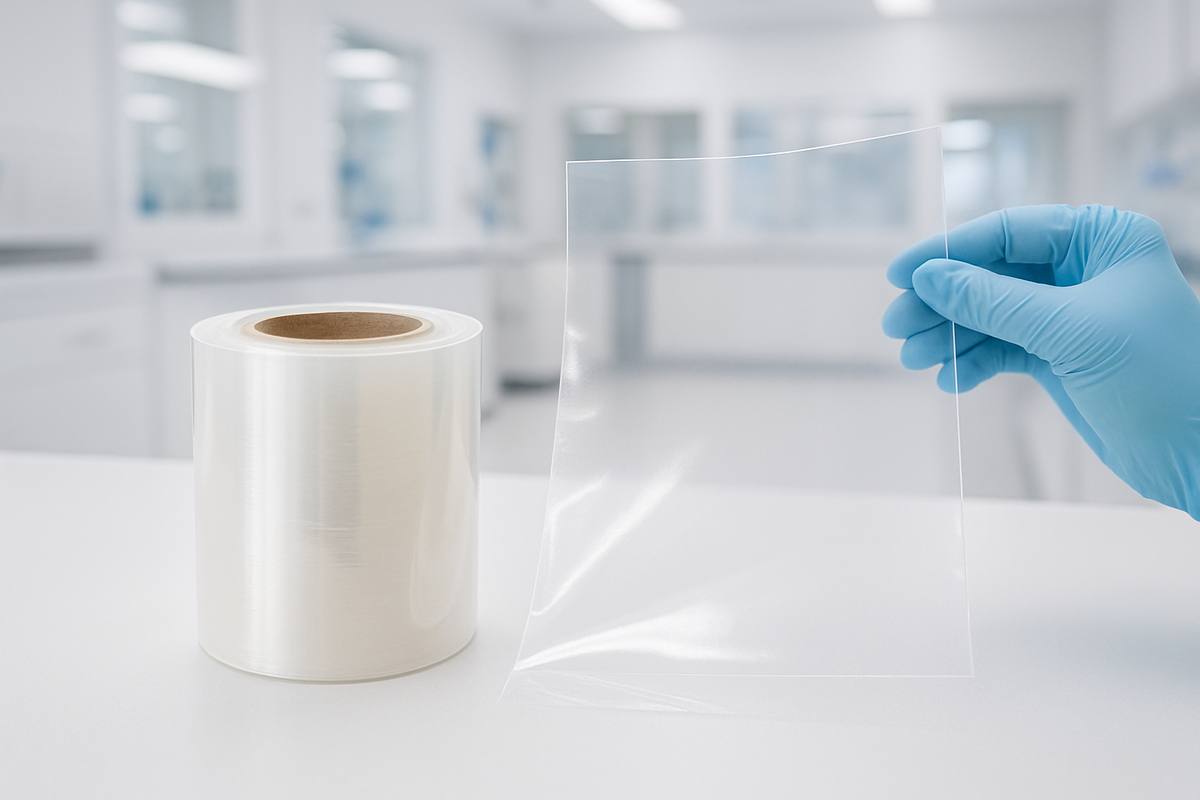
- Film — a standalone biodegradable barrier film for pouches and laminates, where high oxygen/UV barrier and full compostability are needed (coffee, dried food, pharma).
How it compares
| Barrier | Oxygen | Bio-based | Compostable | PFAS |
|---|---|---|---|---|
| EVOH (plastic) | High | No | No | — |
| PE lamination | Low–med | No | No | — |
| PFAS greaseproof | — | No | No | Contains PFAS |
| Nanocellulose | High (O₂ <0.2 achievable) | Yes | Designed to be | PFAS-free |
The lignin-nanocellulose angle
Lignin-containing nanocellulose (sometimes called a "nano-rebar") keeps some of the plant's natural lignin, which can improve water resistance and may lower cost versus highly purified CNC/CNF. ZnoNova Biopack's materials use a lignin-nanocellulose system developed with the Plant Fiber Material Science Research Center at South China University of Technology (SCUT).
Practical considerations
- Cost: nanocellulose is premium vs commodity plastic — lead with regulation-forced, high-value uses (PFAS replacement, coffee/pharma), not commodity film.
- Moisture: like all cellulose, water resistance must be engineered in — confirm WVTR for humid applications.
- Scale & line fit: coatings are the most production-ready route; confirm coat weight and line speed.
Evaluate a nanocellulose barrier
Request samples and the barrier data — coating liquid or film.
Request a sample →Request a sample & technical data
Tell us your application — a real person replies within 1–2 business days.
Frequently asked questions
How does nanocellulose create a barrier?
Nano-sized cellulose fibrils pack into a dense, highly entangled network that gives gas molecules a tortuous path, producing high oxygen barrier plus grease and (when formulated) water resistance — while staying fully bio-based.
Is nanocellulose packaging compostable?
Because it is fully bio-based (no plastic layer), it can be designed to be compostable and recyclable, unlike plastic or PFAS barriers. Confirm compostability certification status (EN13432 / BPI) for on-pack claims.
Can it replace EVOH or aluminium?
For oxygen barrier, well-made nanocellulose can reach high-barrier territory (O₂ <0.2 achievable) while being biodegradable. Suitability depends on the application's full barrier and moisture requirements.
※ General technical information on nanocellulose barriers. ZnoNova Biopack figures are tested values under specific conditions; environmental claims are supported by testing/certification available or in progress — confirm current status before on-pack claims.